Where Water and Stone Heal Together
Join us as we dive into restoration of riparian habitats and old stone footbridges on community nature trails, celebrating the places where shaded riverbanks cradle biodiversity and hand-laid arches carry footsteps across time. We will explore ecological repairs that invite trout, mayflies, and kingfishers back, and heritage craft that keeps lime-mortared stones breathing through floods and seasons. Expect practical guidance, field stories, safety tips, and community-friendly ideas you can adapt, whether your trail follows a busy urban creek or a quiet rural brook wander.
Listening to the River’s Edge
Healthy riparian corridors cool water, slow floods, filter runoff, and weave together plants, insects, fish, and people. Before planting a single sedge or moving a single rock, pause to read the landscape. Notice point bars forming, undercut roots holding, and how dogs, cyclists, and children approach the bank. Respect the river’s need to meander, and plan gentle interventions using native willows, coir logs, and woody debris that stabilize soil while welcoming dragonflies, swallows, and patient walkers taking in the quiet ripples.
What the Arch Is Saying
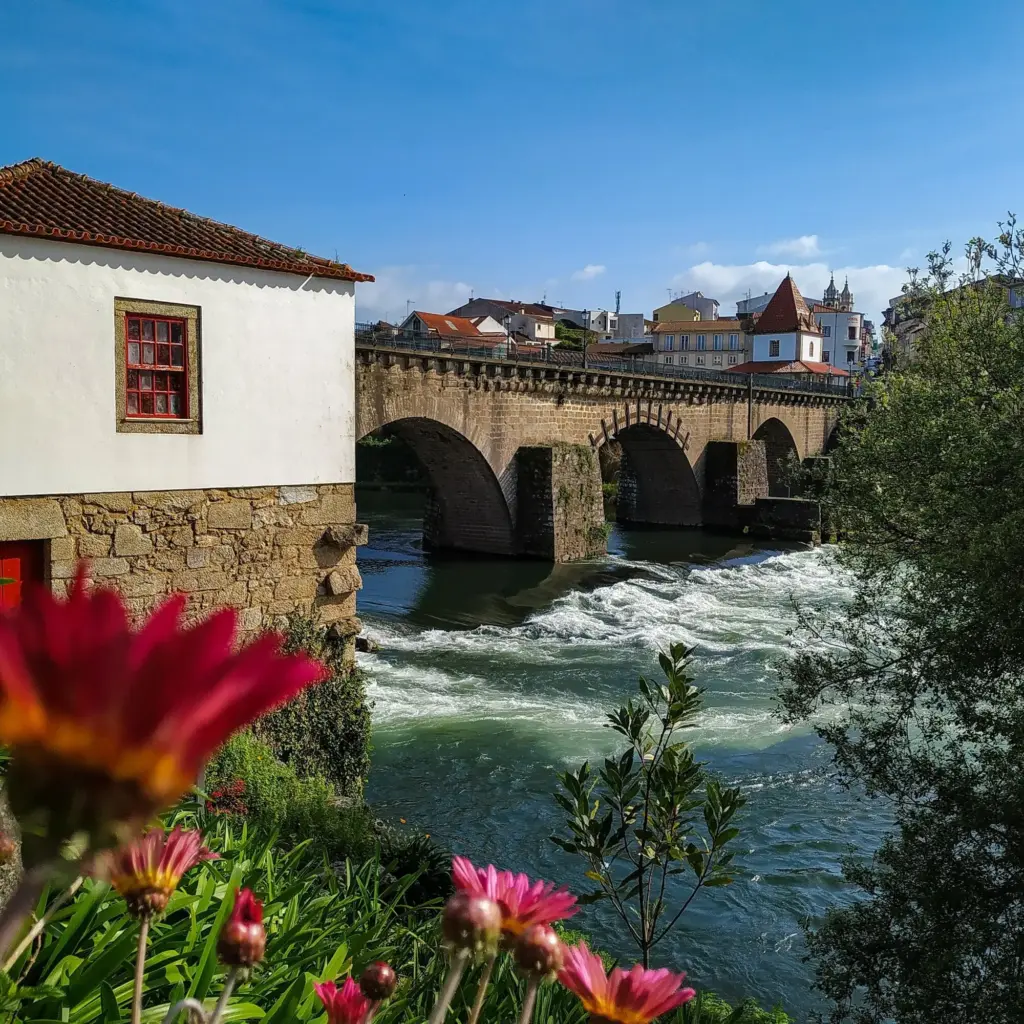
A hairline crack at the crown may simply reflect thermal cycles, while stair-step cracking along the haunch can telegraph settlement or scour. Tap joints and listen for hollows; check spandrel walls for bulge and clogged drain paths. Document with measured sketches and photopoints before lifting a trowel. Prioritize causes over cosmetics: if abutments are undermined, stabilize the streambed with discreet stone aprons and root wads first. When the foundation rests, the arch relearns to carry laughter, bicycles, and rainy-day footsteps.
Lime, Not Locked-In Cement
Cement mortars trap moisture and salt, hastening stone decay. NHL or hot-mixed lime mortars flex gently, self-heal microcracks, and let bridges breathe across seasons. Mock up sample mixes using local sand to match color and texture, and pre-wet joints to prevent flash drying. Cure slowly with damp hessian on sunlit days. The tactile ritual—buttering, compacting, finishing—becomes a classroom where neighbors learn materials science by feel, and the bridge trades brittle rigidity for forgiving resilience suited to rising, falling, freezing streams.
Keeping Water Where It Wants to Go
Many failures start with poor drainage. Clear weep holes, regrade approaches away from parapets, and tuck discreet drip edges under coping to throw water clear. Beneath the arch, ensure debris cannot raft and jack forces during floods. Blend bed-stabilizing stone with living elements—root wads and fascines—to break velocity without scouring piers. By guiding flow rather than blocking it, the bridge stays drier, the channel breathes, trout lanes remain open, and the structure’s small shadow becomes a refuge instead of a choke point.
A Community Plan that Works on Weekends
Trails thrive when neighbors, anglers, cyclists, gardeners, and school groups can plug in easily. Design a stewardship calendar around real lives: short Saturday plantings, after-work monitoring walks, and seasonal bridge-care workshops. Pair professional guidance with hands-on roles—live staking lines, mulch crews, photopoint captains, and safety marshals. Provide childcare, tools, water, and clear task cards. Recognize volunteers by name on interpretive signs. The river heals faster when many hands learn together, and each return visit becomes a reunion with visible progress.




Designing for Resilience and Delight
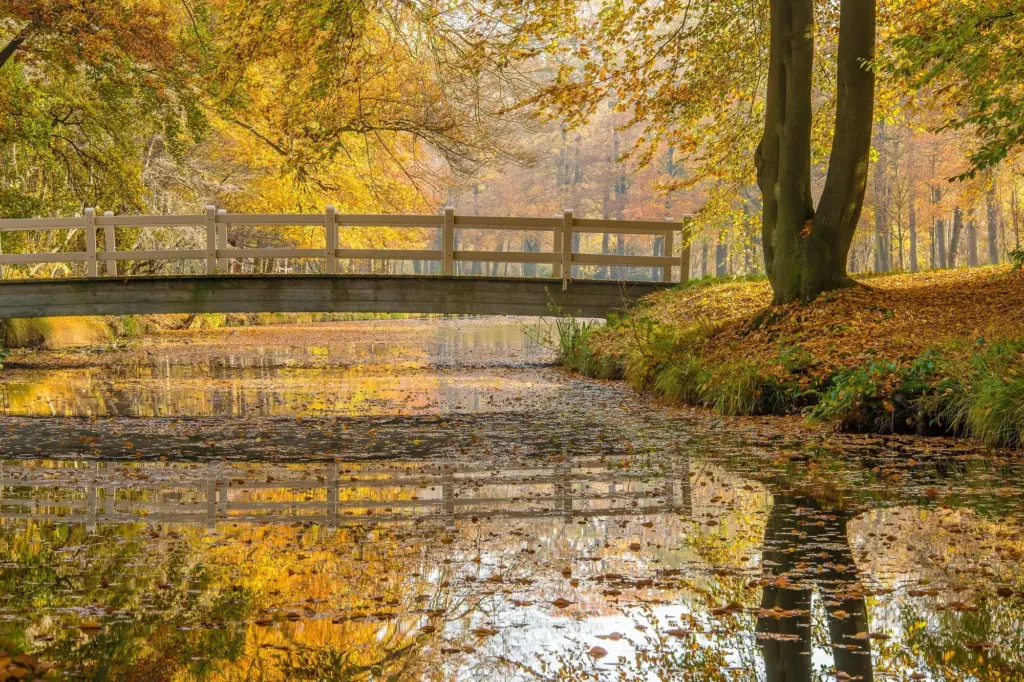
Great trails blend function with beauty. Choose planting palettes that glow in shoulder seasons, stabilize soil, and feed pollinators. Shape overlooks where water murmurs under the arch, then fade path edges into meadow to slow runoff. Use materials that weather gracefully—untreated locust, local stone, breathable finishes. Let sightlines tease discovery while keeping safety in view. When storms come, engineered humility—room for water, flexible joints, sacrificial edges—keeps the system graceful. People return because it feels good, looks right, and works better each year.
Monitoring, Data, and Stories that Stick
Simple Science, Strong Signals
EPT indices—mayflies, stoneflies, caddisflies—rise as shade returns and sediment settles. Teach volunteers kick-net methods, sorting trays, and gentle release. Combine these snapshots with turbidity readings and temperature loggers taped in shaded riffles. Even monthly checks reveal trends that guide planting, mulching, and access decisions. Share wins and worries promptly so adjustments feel collaborative, not corrective. The creek becomes a classroom, the dataset a neighborhood diary, and the bridge another monitoring station listening to water talk through changing seasons.
Seeing Change with the Same Eyes
Photopoints remove guesswork from memory. Mark discreet bolts or stones as reference, and shoot from identical heights, lenses, and months. Pair wide views with detail shots of joints, weep holes, and bank toes. Assemble sequences into flipbooks at trail kiosks so casual walkers witness erosion halted, shade thickened, and mortar cured. Visual evidence is persuasive to funders, reassuring to skeptics, and deeply satisfying to the hands that planted and pointed. Each frame says: patient work reshapes places and people together.
Community Voices Carry Far
Invite trail users to log sightings on iNaturalist, note bridge conditions via a simple form, and tag seasonal photos. Host a story night where anglers, runners, and stonemasons swap short tales. Package highlights in a monthly newsletter with clear next steps: watering shifts, planting dates, lime-curing help. Personal voices transform projects from abstract plans into shared journeys. As stories travel, partnerships widen, grants unlock, and a once-eroding bend with a tired arch becomes a local emblem of care and continuity.
Interpretation that Sparks Curiosity
Lead with questions: How does an arch stand without mortar glue? Why do willow roots cool fish? Pair answers with fingertips-on-stone stations and sniffable herb planters. Keep paragraphs short, fonts large, and contrasts crisp. Offer kid-level panels and elder-friendly benches nearby. Curiosity becomes a bridge between disciplines—engineering, ecology, and neighborhood memory—so a short stop becomes a lasting invitation to learn more, return often, and bring a friend to witness subtle changes across tides of weather and time.
Clear Paths, Gentle Nudges
Wayfinding should be readable at a glance. Use consistent symbols for water access, overlooks, and detours during bridge work. Add seasonal tags—high water caution or nesting buffers—so choices match conditions. Place small ground medallions to guide feet around revegetation zones, replacing tape and cones. Gentle nudges reduce conflicts, protect fresh plantings, and keep everyone moving comfortably. When routes feel obvious and safe, visitors relax into the landscape, notice wildlife sooner, and carry respect forward to the next bend and crossing.
Open Doors to Participation
End each panel and page with a clear, kind ask: subscribe for monthly updates, sign up for Saturday staking, or adopt a photopoint. Provide easy QR codes, accessible forms, and loaner gear lists. Celebrate milestones with small ceremonies on the bridge—lime-bucket graduations, willow-watering parties, solstice walks. Participation grows when joining feels natural, fun, and meaningful. Over time, the trail community becomes the system’s strongest reinforcement, holding banks and arches through shared knowledge, steady attention, and the joy of doing together.
Wayfinding, Interpretation, and Warm Invitations
Good signs orient without clutter, teach without lecturing, and welcome every visitor. Use durable, low-glare panels near the bridge and river access, pairing simple diagrams of arch forces and root networks with tactile elements for low-vision guests. Provide QR links to deeper dives, multilingual audio, and volunteer sign-ups. Keep arrows clear at junctions so curious detours don’t trample seedlings. Every touchpoint should feel like a friendly hand: here’s where to stand, what to notice, and how to help right now.

All Rights Reserved.