Sunrise Strolls Beneath Stone Arches

Planning Your Gentle Adventure
Stories Carved in Stone

Listening Like a Naturalist
Accessibility and Safety for Every Family
Simple Field Science for Kids
Mini Surveys at Sunrise
Set a five-minute window and tally every distinct voice you hear, using marks or tiny doodles rather than names. Repeat once more from the same spot to compare. If possible, add wind strength and sky color. Encourage kids to make predictions before listening again. When you share results with local nature groups, you model contribution over perfection, proving that even small ears, on quiet mornings, can help map seasonal patterns and neighborhood biodiversity.
Stone Sleuthing
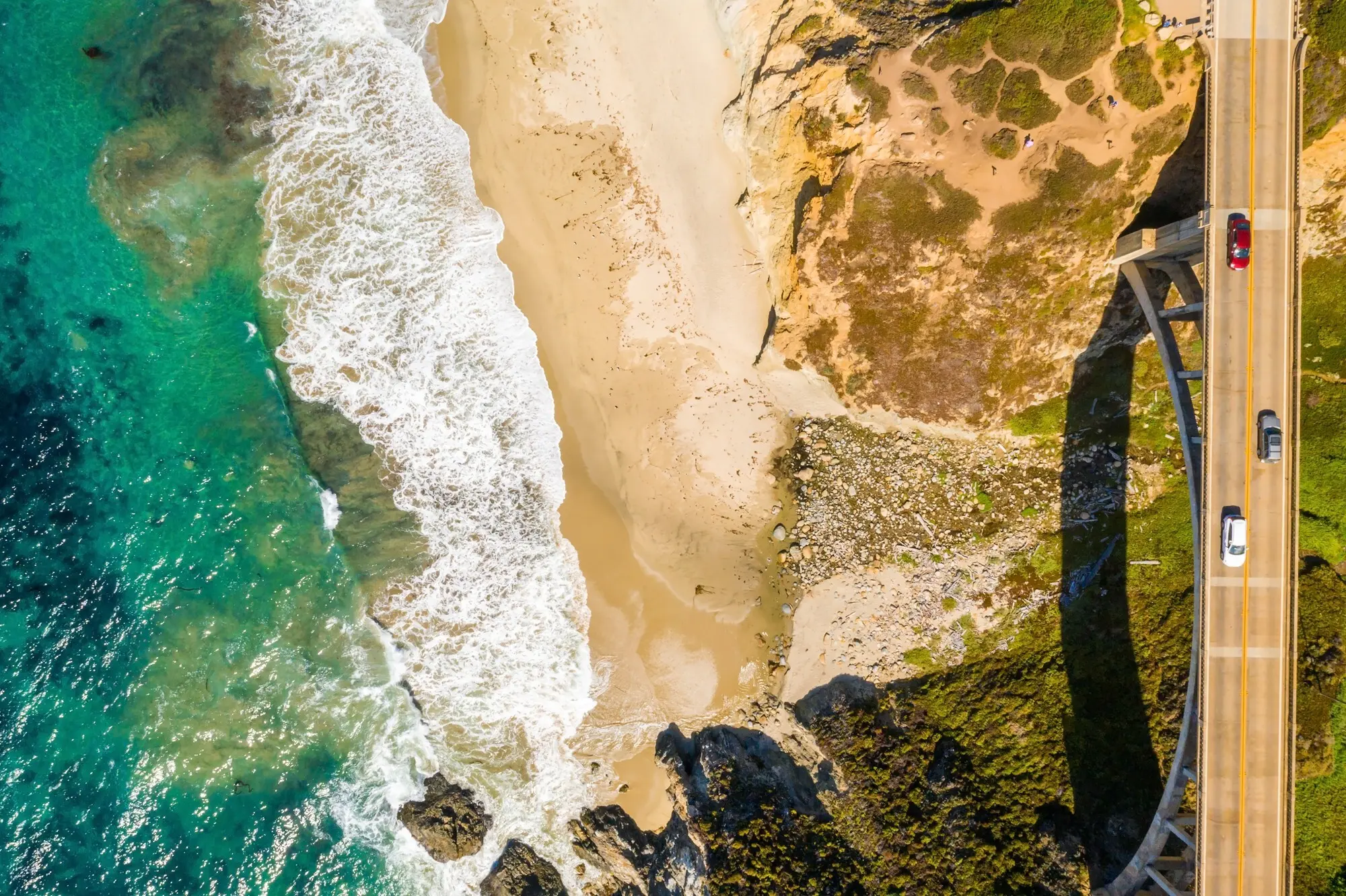
Examine blocks without touching fragile growth. Is the stone sandstone, granite, limestone, or a local mix? Do tool marks run straight or curve? Are there fossils or shells tucked into surfaces near waterways? Ask why parapets are thicker at curves, and how freeze–thaw cycles widen hairline gaps. Sketch silhouettes instead of rubbing with paper to protect the finish. These tiny investigations make engineering feel alive, bridging past craftsmanship with today’s curious, careful minds.
Snack Stops and Playful Pauses

Share, Connect, and Keep Exploring


All Rights Reserved.